
What Are Dowels
Written by webtechs

What Are Dowels?

Dowels are one of the most adaptable and widely used devices in the woodworking and construction industries. It doesn’t matter if you’re assembling furniture, carrying out repairs on structures, or taking on DIY projects, they are a vital tool that provides stability and durability. What exactly are dowels, and how are they utilized?

What Are They?

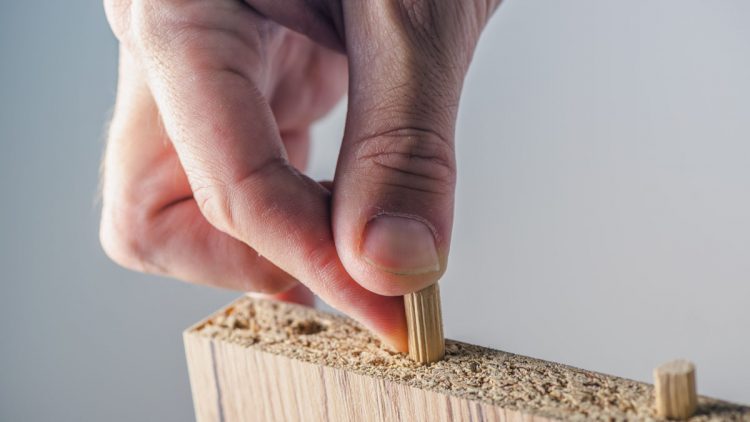
Basically, dowels are cylinder-shaped rods made of materials like wood, metal, or even plastic. In woodworking, wooden dowels are most typical and come in different lengths and diameters to suit various applications. They’re usually used to create strong, concealed joints by positioning and attaching two pieces of material together.

Types of Dowels

  • Wooden: The most favorable option for furniture/ cabinet making and DIY projects. They are lightweight, durable, and can be sanded and/ or cut to suit your needs.
  • Metal: Typically used in heavy-duty applications in which additional strength is necessary.
  • Plastic: Typically used in specific craft or industrial projects because of their flexibility and moisture resistance.

Typical Uses

They are extremely versatile, and their applications are almost limitless. The following are a couple of instances:

Furniture Assembly

Dowels are broadly used in flat-pack furniture, offering concealed yet durable joints between pieces. They help to align parts precisely while maintaining the general aesthetic.

Cabinetry and Shelving

They can reinforce cabinets and shelving structures, guaranteeing they remain sturdy under significant loads.

Craft and DIY Projects

Ideal for creative projects such as model building, decorative accents, or picture frames.

Construction of Staircases

In designing staircases, these little devices are utilized for securing components like handrails and spindles, guaranteeing a stable and safe structure.

Structural Reinforcement

Dowels are typically used in construction for the alignment and reinforcement of connections in wood framing.

How to Use Them

Using dowels in your projects requires thorough measurement (2x) and prep time. The following is a step-by-step guide to guarantee success:

Mark and Measure

Establish where you wish to join the 2 pieces of material. Score matching points for the dowels on each piece.

Drill Holes

Utilize a drill bit that (as closely as you can) matches the diameter of your chosen dowel. Drill holes at the appropriate depth using your scored points.

Insert the Dowels

Apply an adhesive to your dowel and your drilled holes for a guaranteed bond. Insert them into the holes on one piece of the material.

Align and Combine

Cautiously align the two pieces of material and press them together, guaranteeing the dowels fit securely into the holes. Utilize clamps to hold the pieces together until the adhesive has time to dry.

Dowel Conclusion

No matter if you’re putting together flat-pack furniture, constructing a staircase, or crafting something custom, dowels offer a dependable solution for creating seamless and sturdy joints.

Woodworking Supplies Mesa by Timber Woodworking

Timber Woodworking offers hardwoods in Mesa, Arizona. We specialize in woodworking tools, equipment, and supplies for commercial woodworking cabinet shops or furniture manufacturers as well as the home shop hobbyist. Contact us today, or call if you should have any questions.

Best Hardwoods for Cutting Boards
Written by webtechs

Best Hardwoods for Cutting Boards

If you love spending time in your kitchen, one of the greatest tools you can utilize is a hardwood cutting board.

Amazingly enough, wood can have more sanitary advantages than plastic when prepping food. Below is the best species of hardwood for a cutting board (also known as a chopping board), considering their qualities, food safety characteristics and maintenance.

What’s the Best Type of Wood for Cutting Boards?

There are a lot of good wood types to decide from for a top-quality cutting board. One reliable indicator of finding out which hardwood constitutes a good cutting board is to see what its hardness rating is.

The Janka scale, or hardness rating, is how unyielding wood is to depressions, wear and tear.

Maple may be deemed the best wood for cutting boards. Maple cutting boards are not going to dull knife blades, however, are resistant scratches. This type of wood is usually more cost effective since it is native to North America, growing in (occasionally) harsher settings such as the Midwest, leading to a larger supply of it. Cutting boards made from Walnut can also handle a great amount of knife usage.

Things to Think About When Choosing a Cutting Board

A vital element when choosing a kind of wood for a cutting board is food sanitation. Three significant traits establish whether or not a hardwood species is thought of as food safe.

Porosity

Porosity is in reference to the sameness of a wood to “soaking” in liquids. Larger pores allow bacteria and mold to grow. Butternut wood, Oaks, and Mahogany are very porous and are not recommended for preparing meals, particularly when preparing meat that is raw.

Grain

Closed-grain woods are additionally associated with pores. Smaller pores mean these types of woods are the preferred decision for food use.

Toxicity

Some woods such as rosewoods, birch, and pine are not for food prep. They discharge oils and sap that are unhealthy for humans to consume with food.

Maintaining Your Hardwood Cutting Board

Using any top-quality hardwood, there is some maintenance required for your cutting board. After every use, use a mild dish soap and wash each side of the board. This hinders warping. Do not put a wood cutting board in the dishwasher – It is going to crack and warp from the different temperature changes and extreme moisture! (Regrettably, if deep cracks or splits begin to form, it’s time to make or buy a new one.)

It’s also suggested to treat the cutting board with food-quality mineral oil routinely. Doing so keeps the wood hydrated, extending the life of the board. Such practices also show the natural luster and aspects of the hardwood. Stay away from specific oils, such as coconut and vegetable oils (the natural odors of food oils are going to seep into the wood), and alternatively, stay with mineral oils or beeswax/mineral oil blends.

When using mineral oil, begin with a couple drops in the center of the board. Rub the oil in a circular outward motion, making sure the oil gets into each crevice throughout the boards surface. The wood is going to soak up the oil, so it’s perfectly fine to add more as you rub it in.

Woodworking Tools Mesa by Timber Woodworking

Timber Wood Working offers softwoods in Mesa, Arizona. We specialize in woodworking tools, equipment, and supplies for commercial woodworking cabinet shops or furniture manufacturers as well as the home shop hobbyist. Contact us today, or call if you should have any questions.